For UK players, getting into an online casino account should be straightforward without making security an afterthought. Betti Casino’s login process is the gateway to games, account settings and cashier services, so it is worth understanding how to access it safely and what to do if something goes wrong. This review focuses on the login experience and practical account-security checks. Features, payment options and availability can change, so confirm the current terms directly with the operator before registering or depositing.
To reach the site, type https://gb.betti-uk.com into your browser rather than following an unexpected message or advert. Check that the address is spelled correctly and that the page uses a secure connection before entering personal details. A padlock icon indicates an encrypted connection; it does not, by itself, prove that a site is licensed or that every offer is suitable for you. UK players should also independently check the operator’s current licensing information and terms.
What the login experience is like
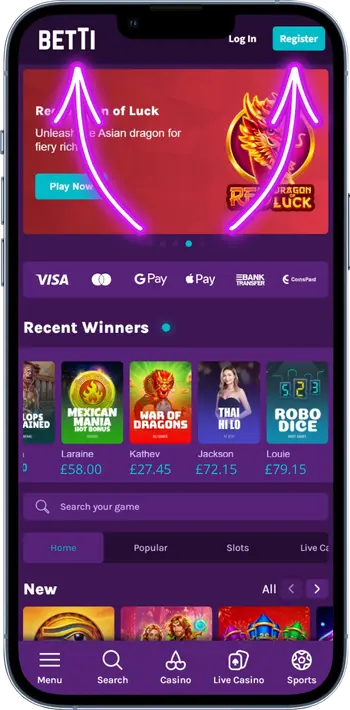
The usual sign-in flow for an online casino asks for the username or email address associated with the account and its password. Betti’s page layout and exact prompts may be updated, but the core routine is familiar: open the official website, choose the sign-in option, enter your credentials carefully and submit. If the details are accepted, you should be taken to your account area. Avoid signing in on a shared or public device, and never let a browser save your password on a computer other people use.
A smooth login is useful, but it should not come at the expense of account protection. Create a password that is unique to the casino and difficult to guess. A long passphrase made from unrelated words, supplemented with numbers or symbols, is generally safer than a short password based on a name, date of birth or favourite team. Do not reuse credentials from email, banking or social media accounts. If the casino provides additional verification, follow its instructions and keep recovery details up to date.
Getting started and signing in
Before you enter your details
- Check that the web address is the one you intended to visit and is not a lookalike domain.
- Use a private internet connection where possible, and keep your browser and device software updated.
- Make sure no one can see your screen or access your saved credentials.
- Review the site’s privacy information and the operator’s terms before opening an account.
At the login page
- Navigate to the official site directly, or use a bookmark you created after checking the address.
- Select the account sign-in option and enter the email or username linked to your registration.
- Enter your password without sharing it with anyone, including someone claiming to represent support.
- Submit the form and wait for the account page to load. If it does not, do not repeatedly retry with guesses.
Some operators ask customers to confirm identity or account details before allowing particular services, withdrawals or changes to sensitive information. That is part of account administration and may involve submitting documents through a secure process. Do not send identity documents in response to an unsolicited email or social-media message. Instead, sign in through the official website and use the contact route listed there. If you cannot access your account, ask support to explain the approved verification procedure.
Common login problems
A failed sign-in does not necessarily mean that an account has been compromised. The cause may be a typing error, an outdated password, a browser issue or a temporary service interruption. Check that Caps Lock is off and that your keyboard has the expected language setting. If you use a password manager, confirm that its saved entry belongs to the correct website and has not filled in an old credential.
If you have forgotten your password
Use the password-reset link on the official sign-in page. Follow the instructions sent to the email address registered to the account, and check junk folders if a message does not appear. Reset links can expire, so request a new one if necessary. Never forward a reset email or share its code with another person. Once access is restored, choose a new password that you do not use elsewhere.
If access is still blocked
Stop after a few unsuccessful attempts rather than trying many possible passwords. Repeated attempts may trigger a temporary lock, and guessing can make it harder to distinguish a simple mistake from suspicious activity. Try a current browser, clear a site-specific cache if appropriate, or use another trusted device. If the problem continues, contact the casino through a support channel reached from its official website. Provide only the information needed to identify the issue; do not disclose your password or full payment-card security code.
Security checks for UK account holders
Good account security is shared between the operator and the customer. The casino should explain how it handles personal data, set out its account rules and provide a way to contact support. Players can reduce risk by using unique credentials, keeping their devices protected and reviewing account activity. Sign out when using a device that is not yours. Be wary of messages that create urgency, promise a guaranteed payout or ask you to “verify” your account through a link.
For UK residents, it is sensible to check that the operator is authorised to provide gambling services to customers in Great Britain. Consult the UK Gambling Commission’s public register rather than relying only on a logo displayed on a webpage. Check that the company name and licence details correspond, and read the operator’s rules on eligibility, verification, deposits and withdrawals. A site’s login security cannot substitute for confirming that its services are legally available to you.
Protecting an account also means setting limits before play. Decide in advance how much time and money you can afford to spend, and do not treat gambling as a way to make income or recover losses. UK-licensed operators are expected to provide responsible-gambling tools, though the specific options and location in the account menu can vary. Consider using deposit, loss or session limits where available. If gambling is causing concern, pause play and seek independent support;
Quick account-security checklist
| Check | Why it matters | Practical action |
|---|---|---|
| Website address | Lookalike pages can imitate a genuine sign-in screen. | Type the address yourself and check it before entering credentials. |
| Password | Reused or predictable passwords put multiple accounts at risk. | Use a unique, strong password and store it in a reputable password manager. |
| Messages and links | Phishing attempts may impersonate casino staff or support. | Do not use unexpected links; contact the operator through the official site. |
| Account activity | Unfamiliar changes may indicate unauthorised access. | Review the account and contact support promptly if anything looks wrong. |
| Personal limits | Account access can make impulsive play easier. | Set spending and time boundaries before gambling, and stop when they are reached. |
Questions and answers
Is it safe to log in from a public Wi-Fi network?
A private, trusted connection is preferable, especially when entering account credentials. Public Wi-Fi can expose users to additional risks, and you may not know who controls the network. If you must use a shared connection, avoid saving passwords, sign out fully afterwards and do not access the account on a public computer. Never ignore a browser warning about a site’s security certificate.
What should I do if I receive a login alert I do not recognise?
Do not click links in the alert until you have checked that it is genuine. Visit the casino by entering its address yourself, change your password if you can access the account, and review recent activity. If you cannot sign in or notice unfamiliar account changes, contact support through the official website. Also secure the email account connected to the casino, since it may be used for password recovery.
Can support staff ask me for my password?
You should not provide your password to a support agent. A legitimate support process may ask for limited details to locate an account or request identity checks through an approved secure channel, but your login secret should remain private. If a person claiming to be an employee asks for it, end the conversation and report the contact using the official support route.
Does a secure login mean that gambling is risk-free?
No. Secure access helps protect an account, but it does not remove the financial risks of gambling or guarantee that a game will pay out. Set limits, understand the game rules and only gamble with money you can afford to lose. If you are in Great Britain and need help, organisations such as GamCare and GambleAware can provide information and support.
Overall verdict
Betti’s login should be approached like access to any financial or personal account: use the official address, keep credentials unique and take recovery or verification requests seriously. The routine itself is straightforward, while the most important part of a safe experience is the player’s habit of checking links, protecting devices and responding carefully to unusual activity. Before registering or depositing, UK players should verify the operator’s current status, read the terms and check that the service is available to them.
For anyone considering Betti, a secure sign-in is only one part of the decision. Review the account conditions, payment rules, privacy information and responsible-gambling tools before playing. If any detail is unclear, resolve it with the operator using contact information found on the official website rather than relying on third-party messages. Gambling should remain entertainment, and it is always reasonable to step away.